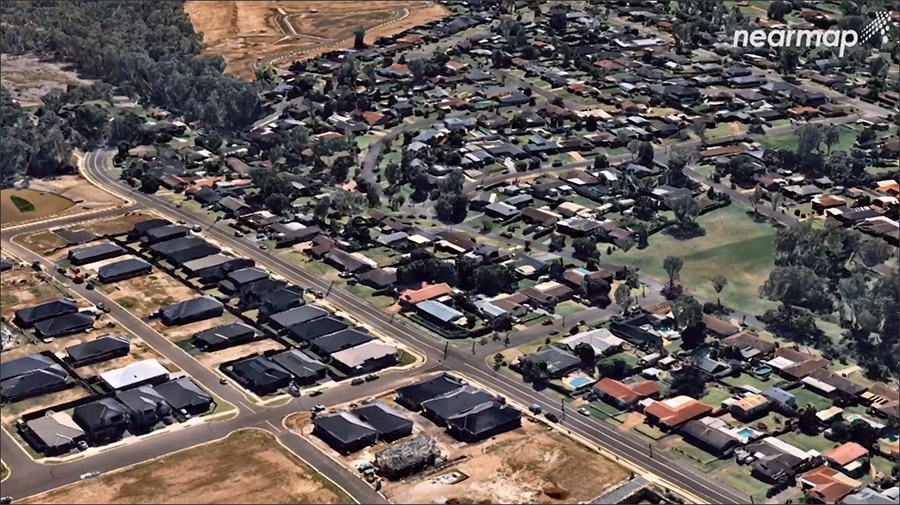
This article provides an overview of Nearmap, which provides frequently-updated aerial imagery of most of the populated areas in North America, Australia, and New Zealand for use in building and infrastructure design. In addition to annotating and measuring the imagery, it also includes AI-enabled automatic feature detection capabilities that can save hours of tedious, manual labor in making sense of the imagery.
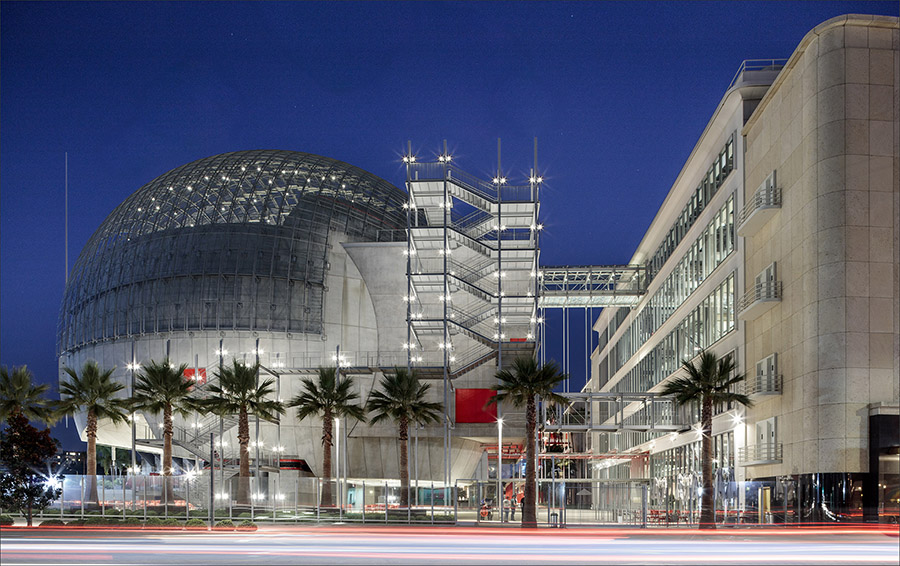
Erik Narhi, Computational Design Lead at Buro Happold, describes the implementation of AEC technology on the just-opened Academy Museum of Motion Pictures in Los Angeles, California, for which Buro Happold provided structural and MEP engineering, data analytics, sustainability consulting and energy modeling, as well as lighting design.
This project is a great example of how technology moves faster than the AEC industry. We accept now that each project will start using the cutting-edge, and end using outdated technology with new technologies representing missed opportunities had we had them earlier.
CanBIM is a non-profit organization focused on advancing the development and adoption of AEC technology in Canada, and as part of its mission, it hosts an annual awards program, the Innovation Spotlight Awards, to highlight the most innovative work that is being done in the industry. The Awards program — now in its seventh year — also helps to benchmark trends and chart the evolution of AEC technology adoption in Canada. I was able to attend the 2021 Awards presentation a couple of weeks ago and came away with a better understanding of what is happening on the AEC technology front in Canada, the cutting-edge work that is being done, the solutions that are being developed and used, and the research work that is being undertaken in the field at Canadian universities. This article captures the highlights of some of the award-winning projects and solutions.
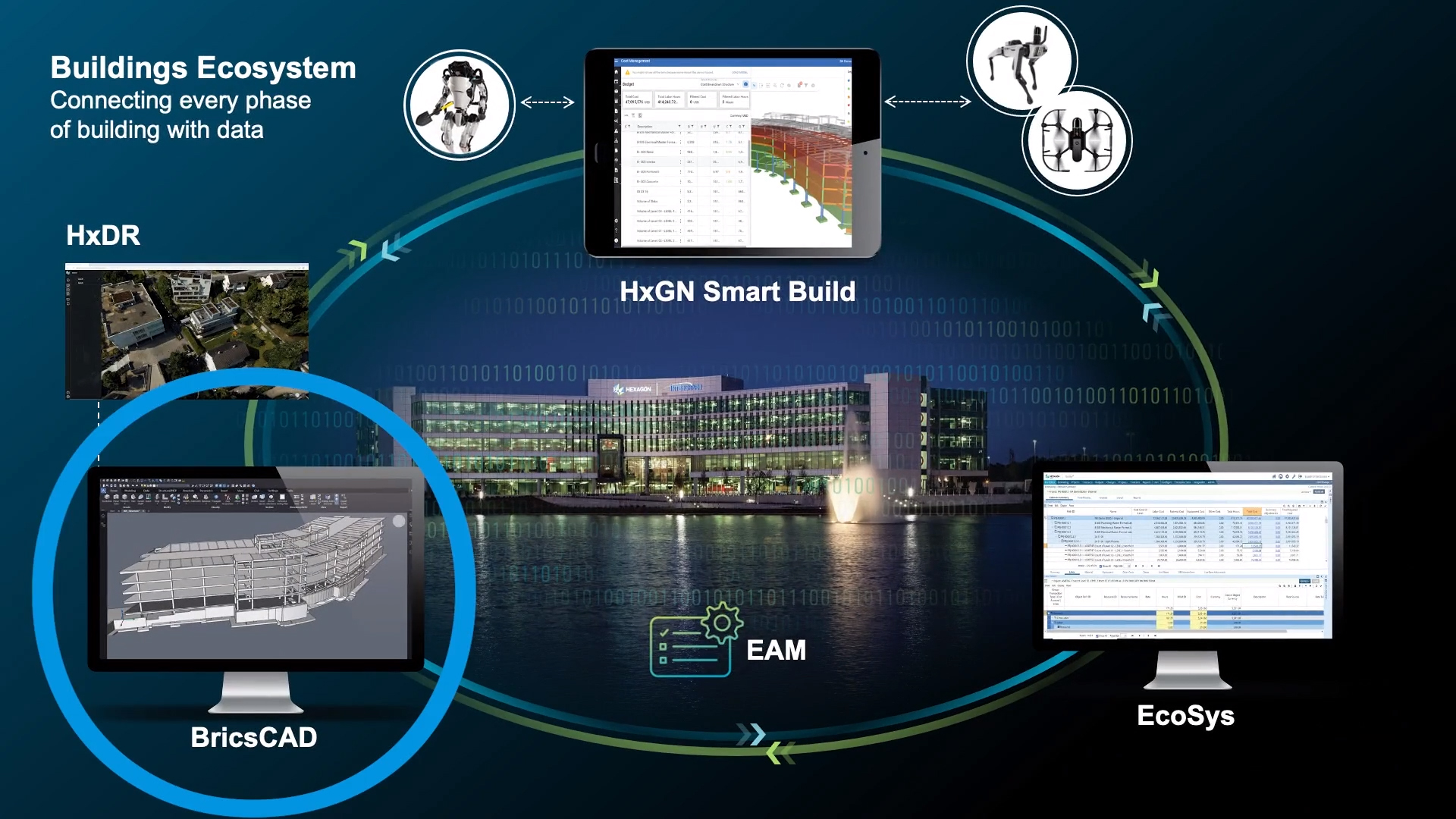
It’s nearing the end of 2021, and technology events are still being held mostly online. While the energy and vibrancy that comes from face-to-face interaction is, of course, hard to replace, the upside is that these events are now being produced for virtual viewing anywhere in the world, enabling them to reach many more people who might otherwise not be aware of the technology developments they capture. One such event that was held last month was the BricsCAD Digital Summit, which I was able to tune into to get a better understanding of the BricsCAD ecosystem and its latest developments. I learnt more about BricsCAD, how it connects with other Hexagon solutions (Hexagon is the parent company of Bricsys, the developer of BricsCAD), and how it is being used for the design of buildings as well as infrastructure.

 AECbytes Blog