AI in AEC Updates, 2022

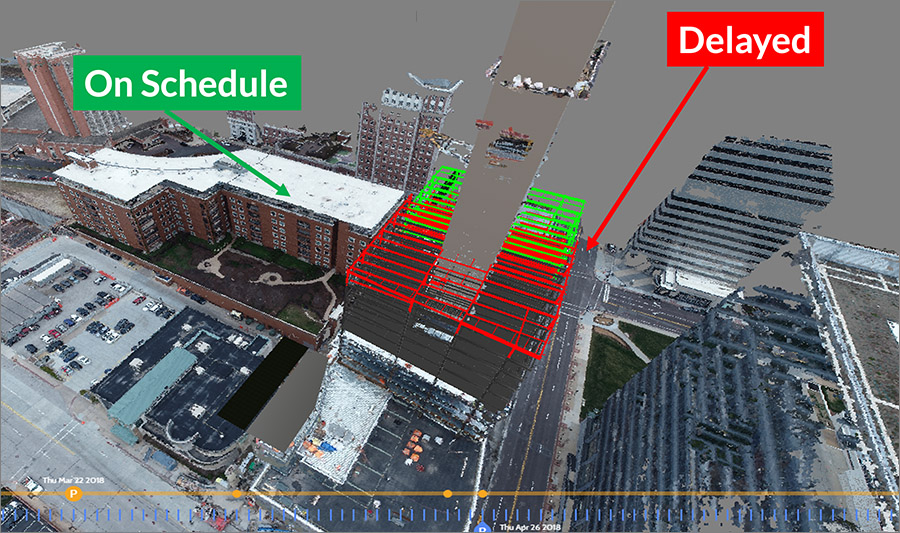
This is a follow-up to my first look at the application of AI (Artificial Intelligence) technology to the AEC industry that was published in February 2019 — the article, “AI in AEC: An Introduction.” While most of that article was devoted to discussing the technology underlying AI and its broader implementation, it did highlight the three AEC-specific commercially available applications I had found up until then that were using AI: BASIS, a project planning tool that had just been acquired by InEight; BricsCAD BIM, a BIM application that was using AI for automatic element classification; and OpenSpace, a construction progress tracking tool that was using AI to automatically stitch together photos and videos of the construction site. Towards the end of that article, I anticipated that we would see a lot more of AI in AEC going forward, both in the form of new applications as well as in the form of enhanced features in existing applications.

Three years down the road, how far have we come? That is why I set out to investigate, and my findings are captured in this article. It looks at the application of AI in tools across each of the three main processes in AEC: Design, Construction, and Operations/FM.

URL: https://www.aecbytes.com/feature/2022/AIinAEC-2022Updates.html
LeChase Construction: Firm Profile

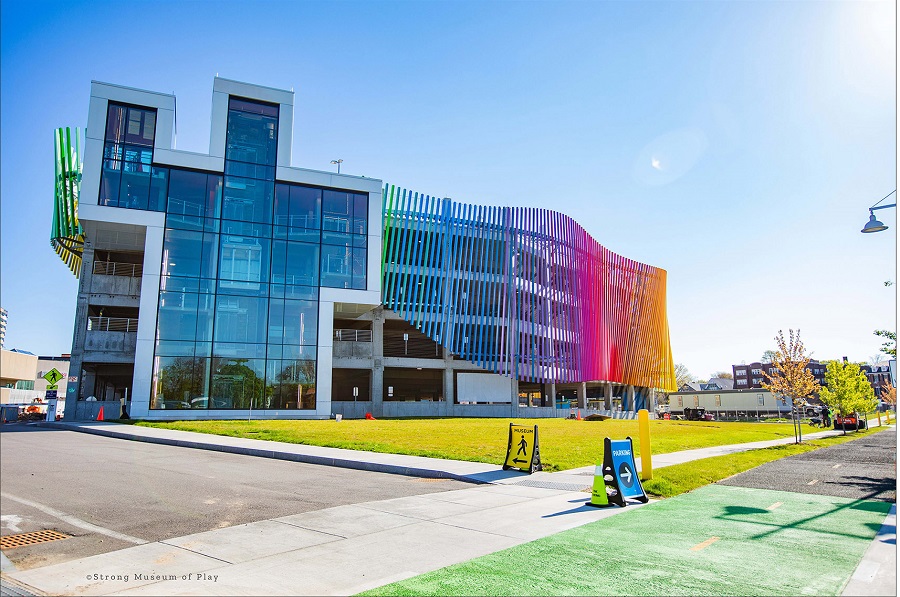
Chris Preston, BIM Manager at LeChase, a construction company with annual revenues approaching $1 billion and 11 regional offices across the east coast, describes its implementation of AEC technology in this Firm Profile.

The use of labor market tie-ins, which relies on advances in technology, has allowed contractors and designers to work in a labor-short market more effectively. In some platforms, labor is reduced by 15-20%.

Overall, it’s an exciting time to be involved with technology in the AEC industry. I’m proud to work at a forward-thinking company like LeChase, which recognizes the value of technology and is willing to invest in it to provide a better result for our customers

URL: https://www.aecbytes.com/profile/2022/FirmProfile-LeChase.html

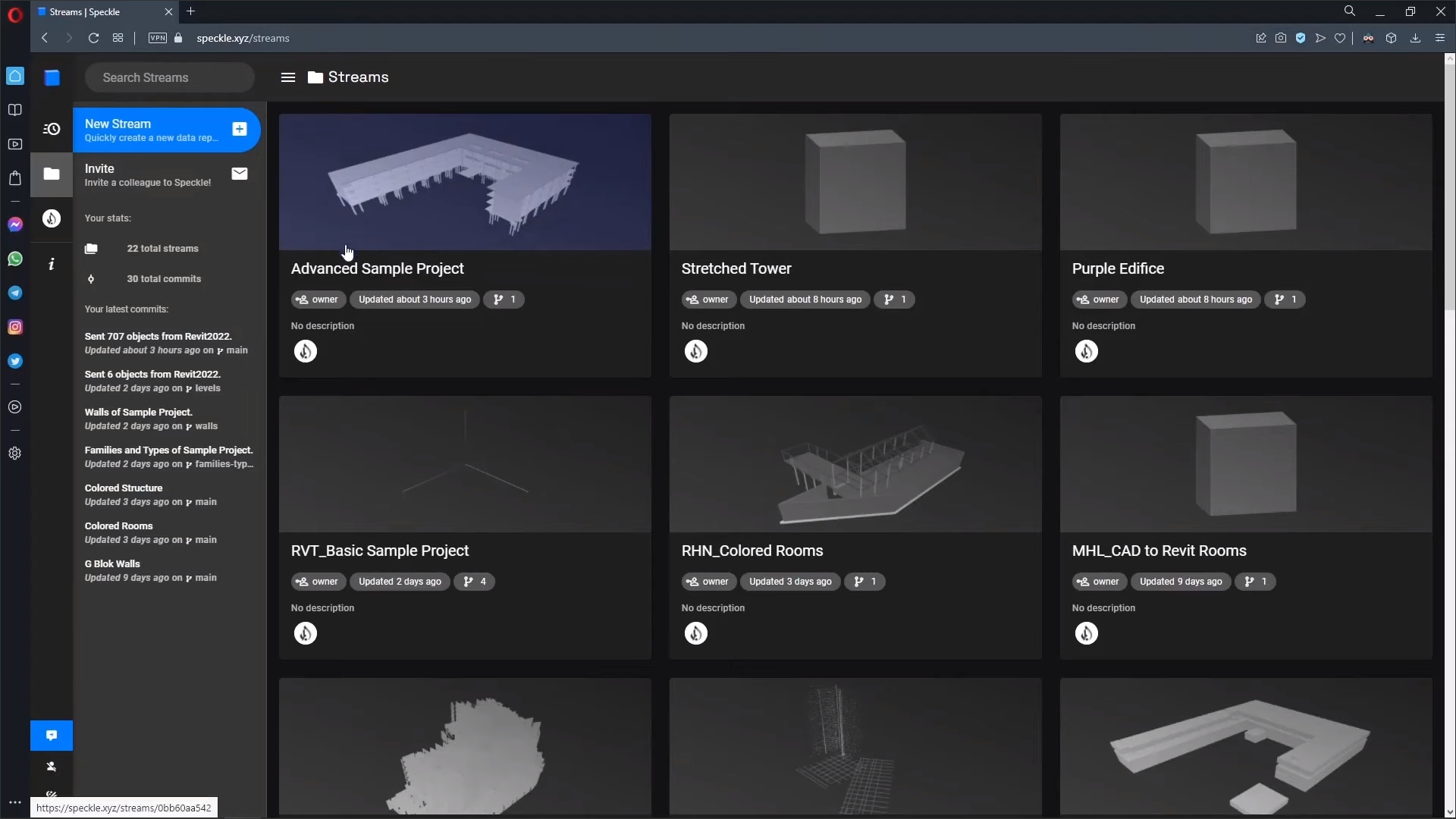
Speckle and IFC.js: Open Source Tools for BIM

Towards the end of December, I had the opportunity to attend a webinar on two open source tools I knew almost nothing about: Speckle and IFC.js. The webinar was put together by a community called Agile BIM, which I also knew nothing about.  However, what I do know for a fact is the importance of open source software development in any field, in which developers come together as a team to create software that is made freely available for possible modification and redistribution, allowing it to be developed even further. The technology that is developed with open source is often something that commercial software companies, whose business it is to develop proprietary software, cannot offer.

For the AEC industry, we do have organizations such as the Open Design Alliance and buildingSMART International working to promote openness and interoperability. The IFC format has been well established for OpenBIM and is almost unanimously supported by all the leading AEC technology developers to allow their applications to exchange data with each other. So, what then are Speckle and IFC.js, what do they do, and why are they needed? The Agile BIM webinar on these two open source tools, which was held on Dec 15, 2021, gave me the opportunity to find out more about them.

URL: https://www.aecbytes.com/newsletter/2022/issue_113.html