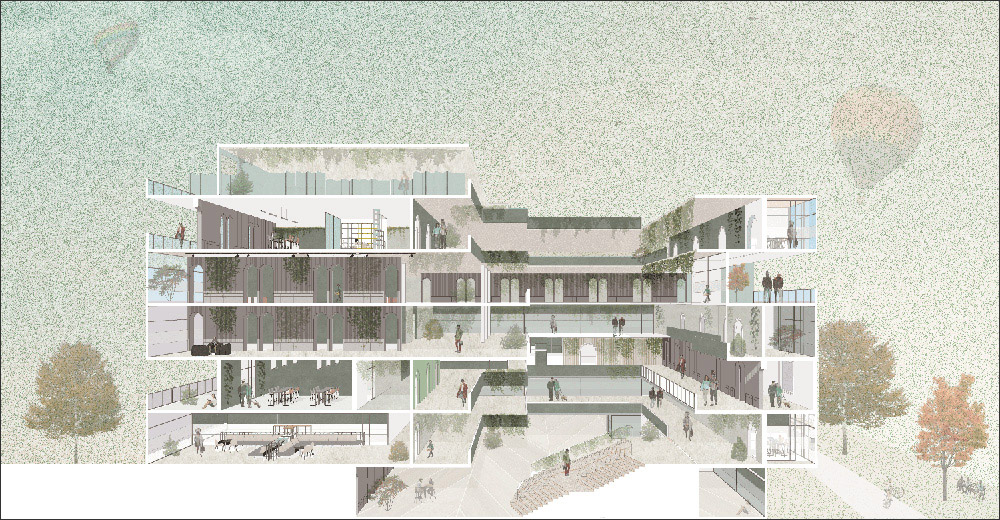
This article by Nethraa Kumar, an architectural designer at CetraRuddy – a global architecture, planning, and interior design firm based in New York City – describes her approach to storytelling in architecture as more than a way to just present ideas. It is how she works. And rather than software being an afterthought, it is the toolkit that helps her turn the question of how to create architecture that tells people they belong into a sequence of legible decisions.
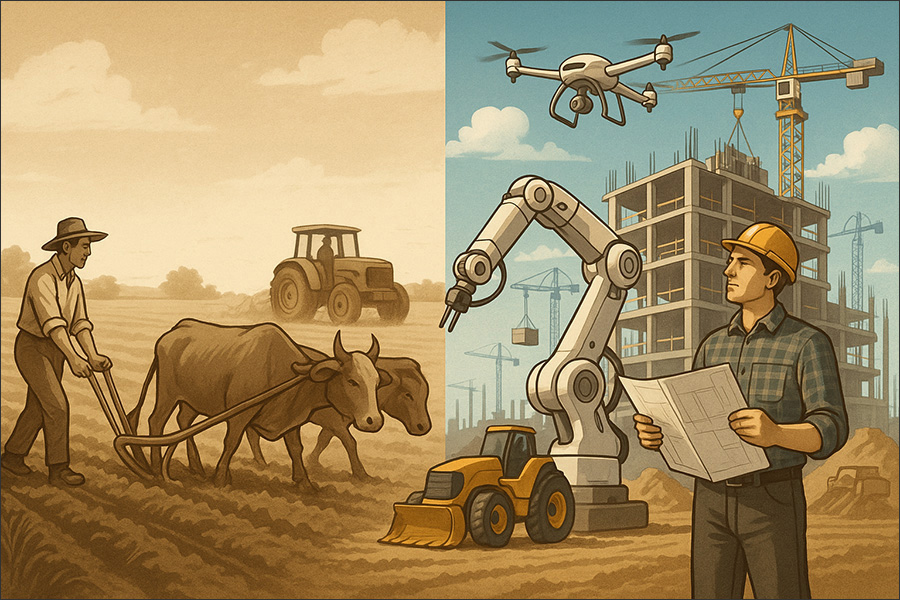
In this article, Michael Gustafson, a seasoned business strategist in the AEC tech sector with a focus on structural engineering and fabrication, draws parallels between the agricultural revolution of his father’s childhood and the current technology revolution driven by AI. He also discusses how the AEC industry should prepare to leverage the potential of human-machine intelligence that the technology encapsulates.
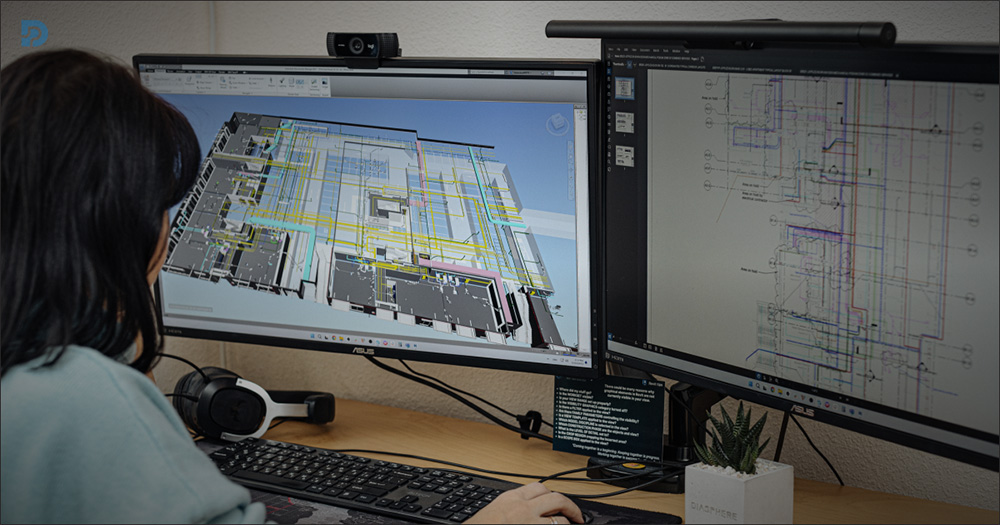
AI is transforming many industries, and construction is no different. This article by Kostiantyn Solomka of Diasphere, a U.S.-based BIM/VDC company, explores how BIM/VDC technical skills now need to be complemented by several soft skills, including AI proficiency and critical thinking, to enable effective, data-driven decision-making.
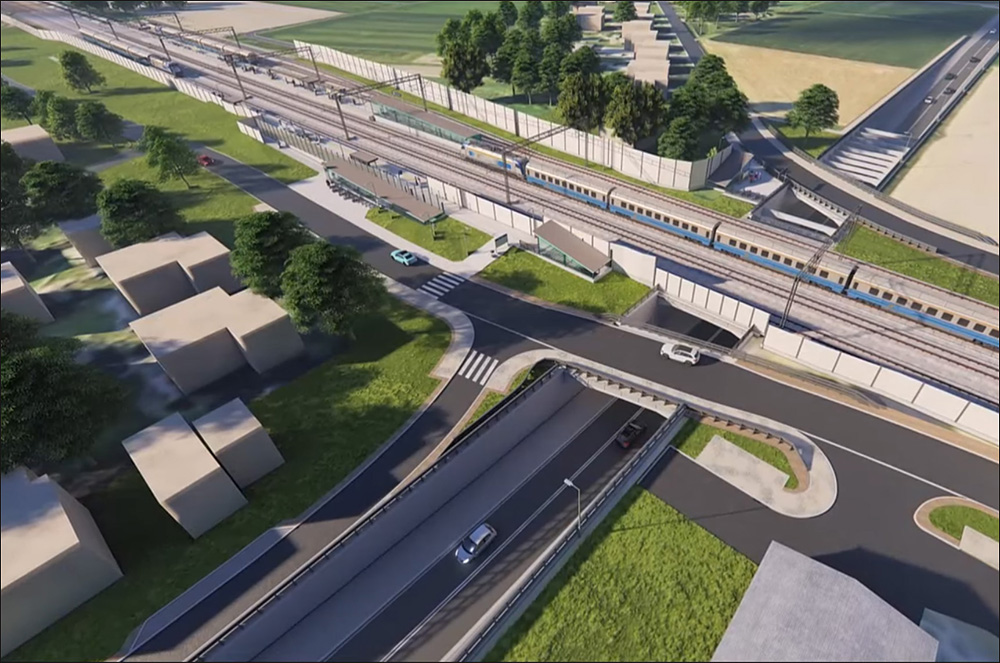
Earlier this month, the leading Nemetschek AEC technology brand, ALLPLAN, held its annual “Build the Future” event to showcase how leading engineering firms around the world were applying its technology solutions to deliver high-performance infrastructure projects including bridges, tunnels, highways, and rail. We heard from firms located in Poland, Turkey, Switzerland, as well as Germany, where ALLPLAN’s headquarters are located.
The highlights of some of these presentations, including BPK Mosty from Poland, Makyol Construction from Turkey, and Hans H. Moser AG from Switzerland are captured in this article.
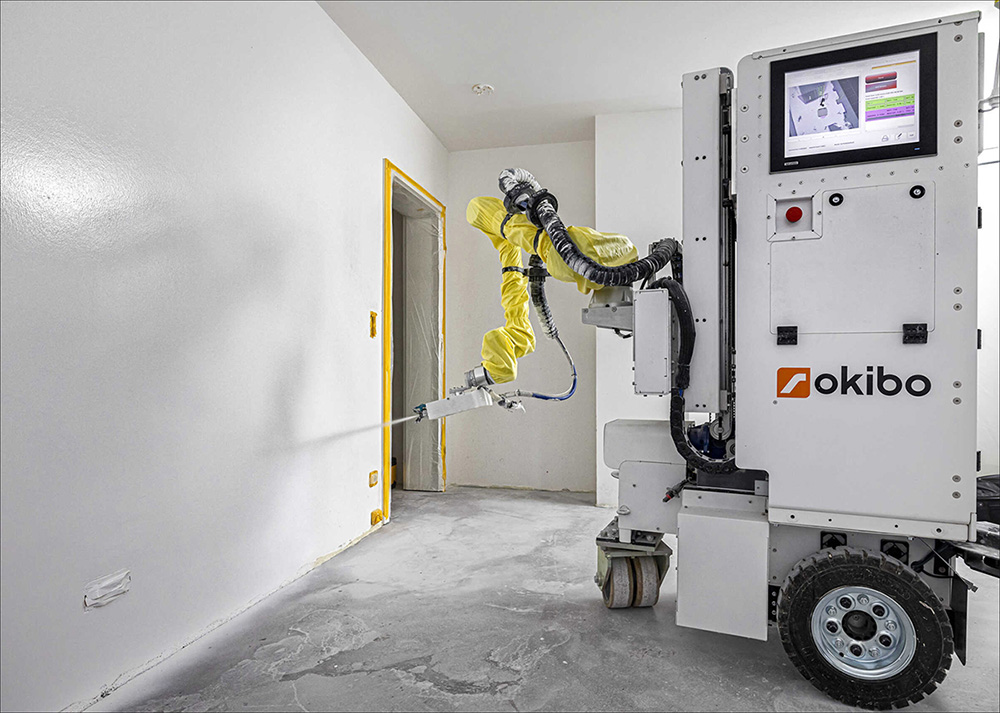
For decades, the clang and clamor of the construction site have been synonymous with manual labor. While other industries embraced automation and digitalization, construction was often perceived as a steadfast holdout, resistant to the winds of technological change. But the landscape is shifting dramatically. Today, a powerful force is reshaping the construction industry, moving beyond theoretical concepts to practical application: robotics. From the meticulous tasks of interior finishing to the demanding precision of structural work and the bird’s-eye efficiency of site management, automation is no longer a futuristic fantasy but a tangible solution to the persistent challenges of labor shortages, crippling inefficiencies, and ever-present safety concerns.
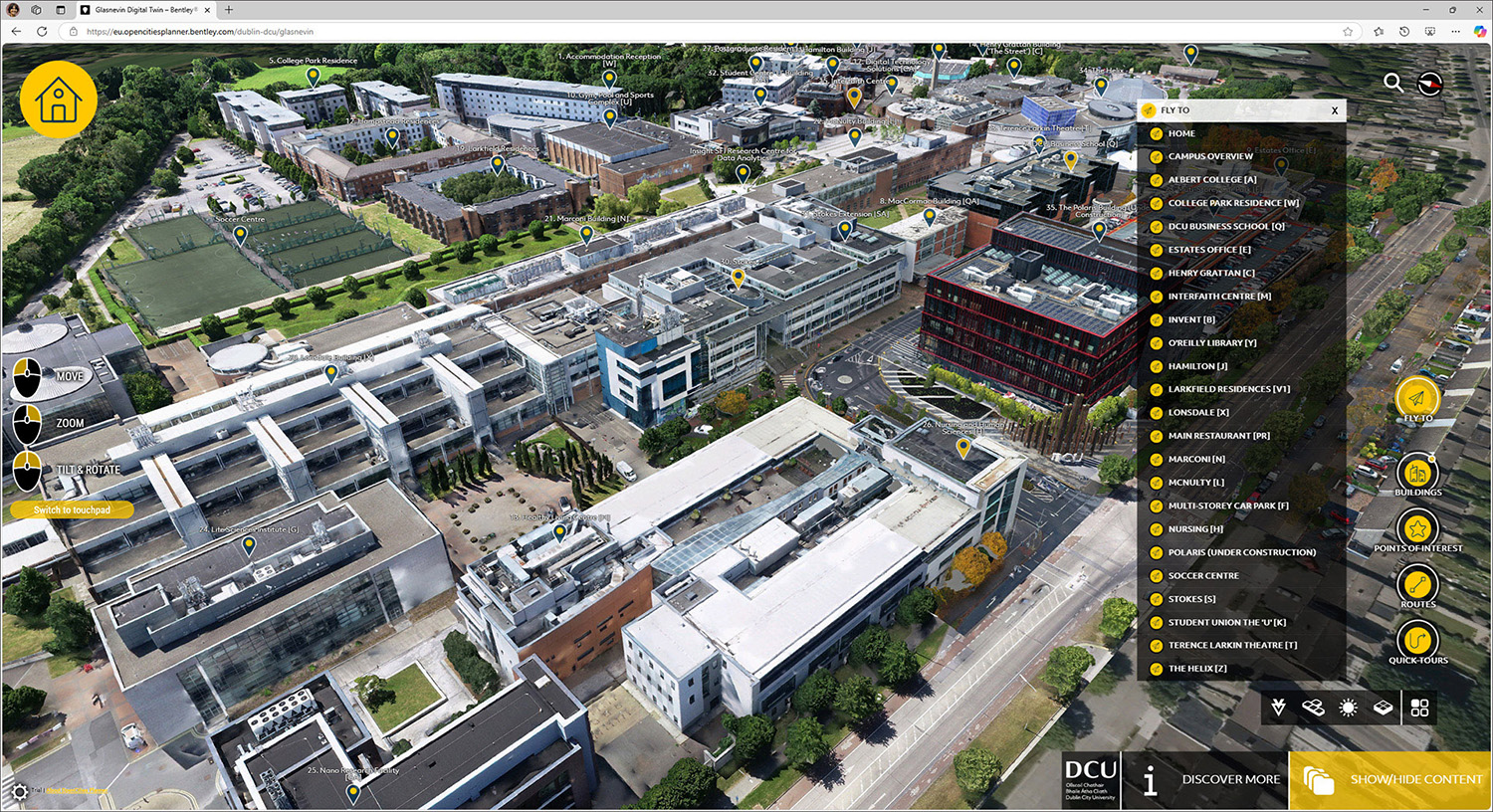
This article describes how the Dublin City Council, which governs the city of Dublin in Ireland, is leveraging digital twin technology to enhance city management and operational efficiency. It is based on a recent SmartCitiesWorld webinar in which Dr Mani Dhingra, Digital Twin Ecosystem Manager of Dublin City Council, provided an overview of Dublin’s digital twin work and presented the details of three pilot projects that have been implemented with Bentley’s digital twin technology.
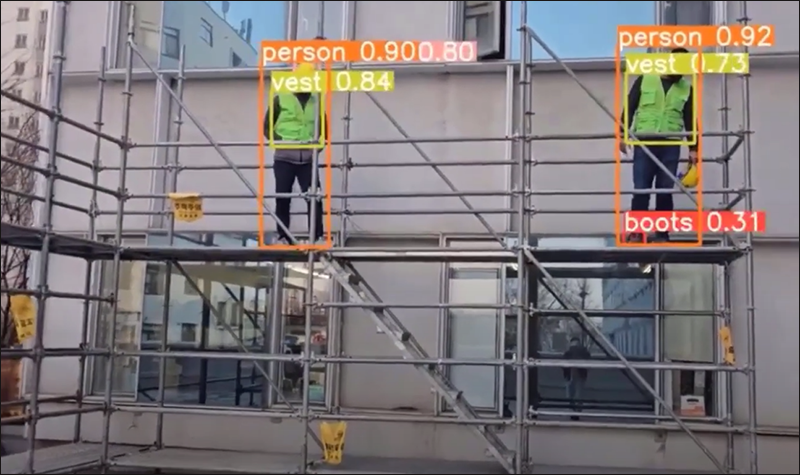
The construction industry, while vital, remains a high-risk occupation. Workers face dangers from heights, heavy machinery, dynamic site conditions, and hazardous materials. Falls, struck-by incidents, caught-in/between hazards, and electrocutions are leading causes of fatalities. Improving safety is both a moral imperative and crucial for project success. Traditional safety relies on manual inspections and training, but human observation has limitations due to fatigue, distractions, and the scale of modern construction sites. Computer vision (CV), a branch of Artificial Intelligence (AI), offers a proactive solution.
This article by Kristijan Vilibić, founder of the Mastery of Digital platform, delves into the mechanics of CV in construction, explores deployment strategies, presents a real-world case study, analyzes the benefits and challenges, and discusses future trends shaping the evolution of this crucial technology.
ALLPLAN, one of the leading AEC technology brands used globally, launched the 2025 versions of its comprehensive suite of tools for building and infrastructure design, engineering, and construction at an online launch event a few weeks ago. In addition to its flagship BIM application, ALLPLAN’s portfolio includes the dedicated structural engineering applications, FRILO and SCIA, that merged with ALLPLAN earlier this year; SDS2, a dedicated solution for steel detailing; ALLPLAN Precast, a dedicated application for precast structures; ALLPLAN Civil, a new product that expands the capabilities of the earlier ALLPLAN Bridge application to include tools for designing roads, tunnels, dams, railways, retaining walls, and other structures; and ALLPLAN Cloud, which adds several new cloud services as well as expands the capabilities of its model-management and collaboration application, BIMPLUS.
The launch event covered a lot of ground, with extensive demos of the new features and enhancements of the products as well as discussions with the product teams on the strategic vision and thinking guiding the development. The event also featured several ALLPLAN users sharing their perspective and insights on the products they use and the new features.
The highlights of the launch event, including the key product updates and user insights that were shared, are captured in this article.
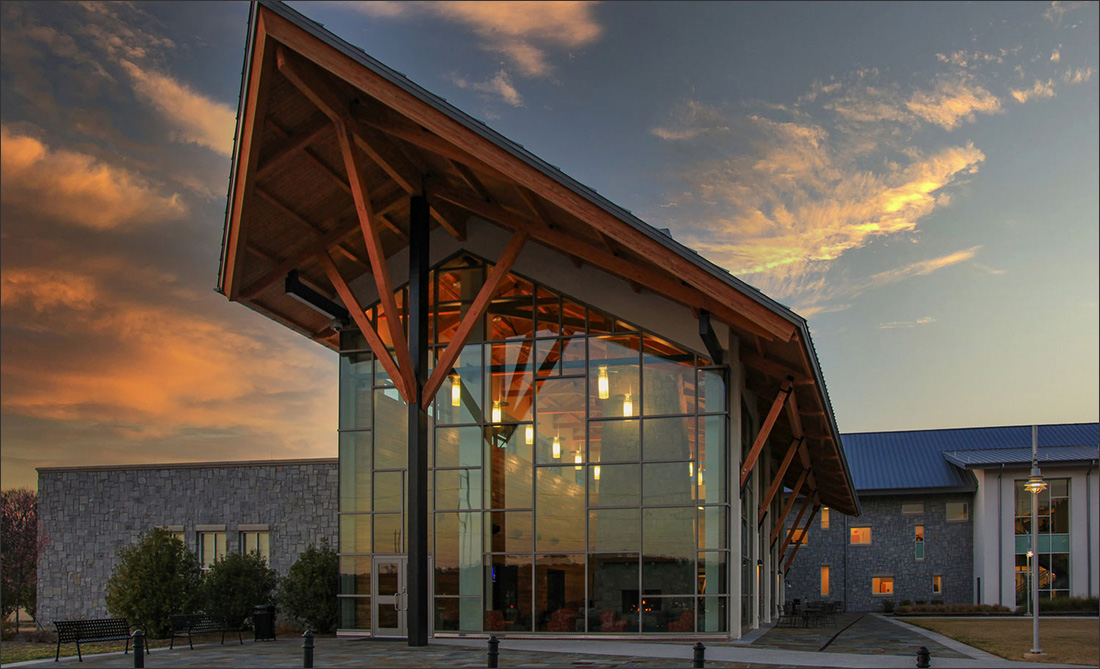
In the rapidly evolving world of construction, digital processes like Building Information Modeling (BIM) and Virtual Design and Construction (VDC) are transforming the industry. Georgia Highlands College (GHC), whose home campus is in Rome, Ga., is playing a key role in this shift with its Bachelor of Science in Building Information Modeling Management (BIMM), launched in the Fall of the 2022-23 academic year. The program has already exceeded enrollment projections and is quickly becoming a premier destination for students eager to enter this innovative field.
This article by Robert Gittens, owner of BIMSync’d and past Chair of GHC BIMM Board, describes the BIMM program in detail, including the curriculum, the dual degree with Georgia Tech, and the strategic partnerships with AEC firms and technology vendors that are contributing to its success.
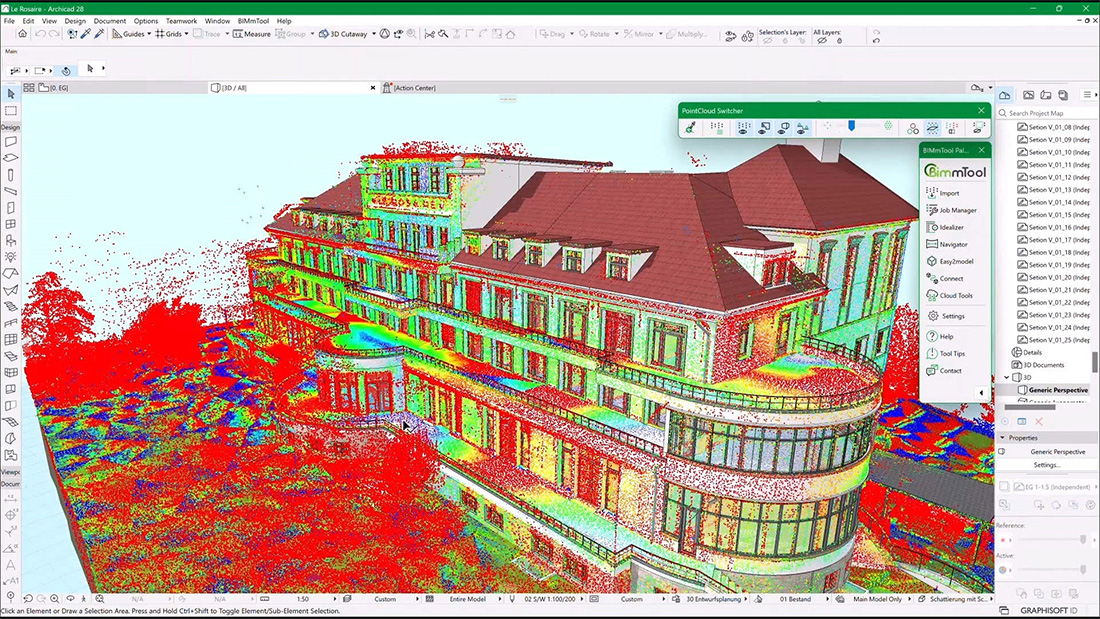
This article captures the main updates of Graphisoft’s 2024 product portfolio, including point cloud support and cloud-based AI visualization in Archicad, 3D model switching and support for Apple Vision Pro in BIMx, the availability of BIMcloud as a SaaS offering, and enhancements for photovoltaic and lighting design in DDScad.

 AECbytes Blog