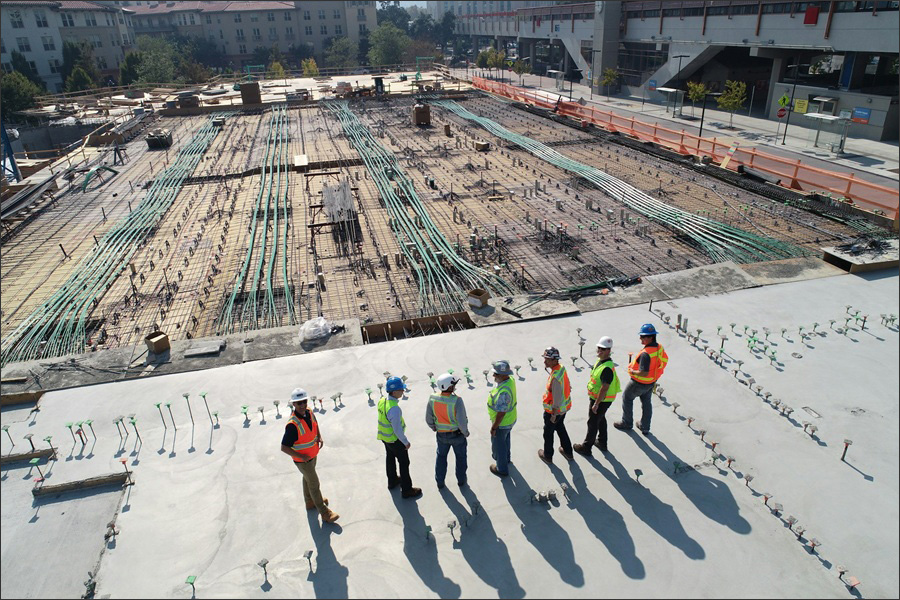
Lou Farrell, senior editor of construction, engineering, and technology at Revolutionized Magazine, discusses various durable infrastructure techniques that stakeholders must commit to in order to reap the benefits of environmentally conscious buildings and reduce their carbon footprints.
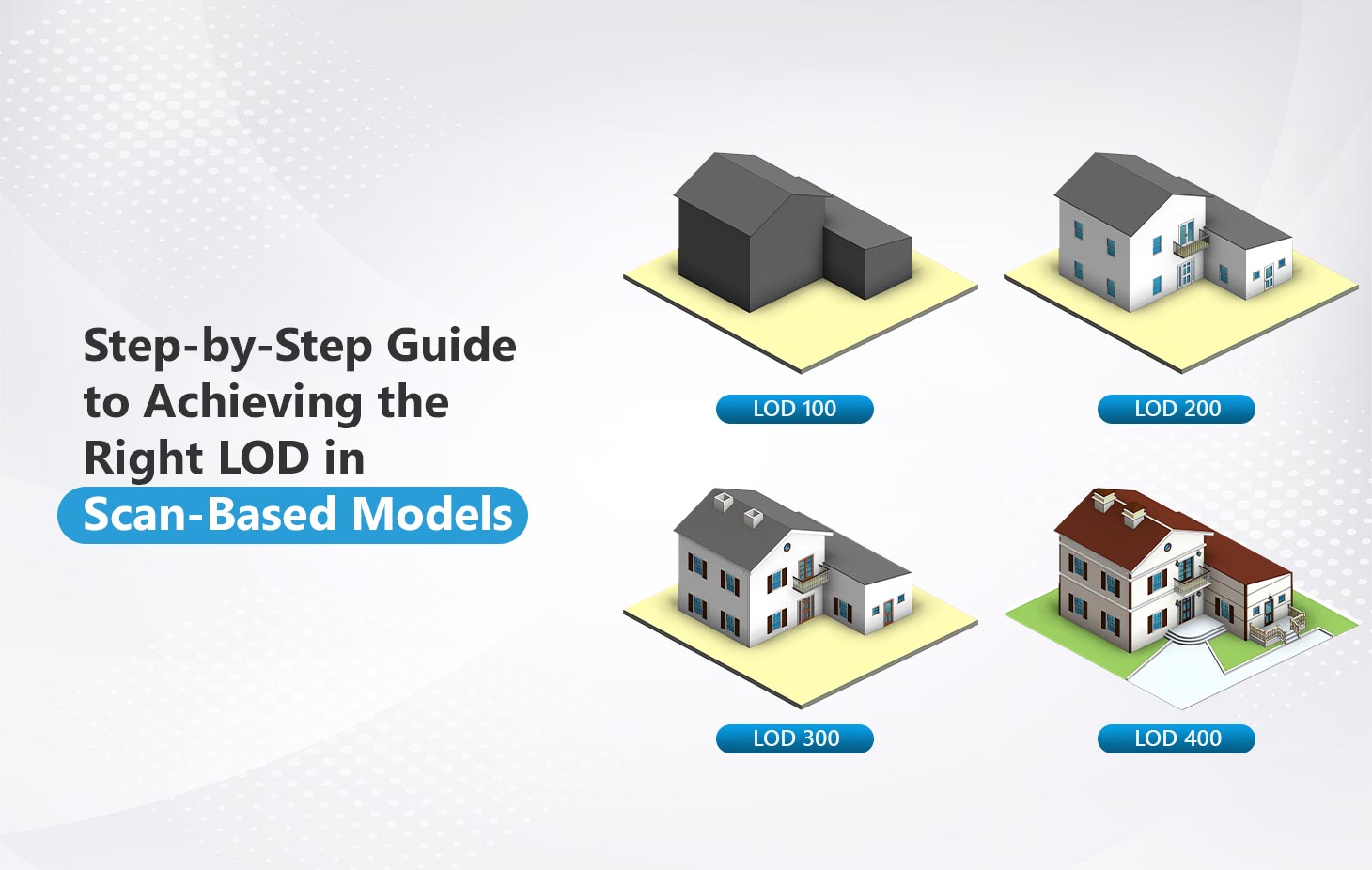
In this article, Rian Voss, Marketing Head at ScanToBIM.Online, provides a guide to the process of defining, producing, and validating a suitable LOD (Level of Development) for your scan-based project. By considering the right detail instead of maximum detail, you can efficiently create models that are clear, have value, and are beneficial throughout the life of the project.
This article by Mark Villari, National Director of Wide Format for Flex Technology Group, discusses why traditional printing still matters in our digital-first era, the breakthroughs in print technology, the advantages of bringing print capabilities in-house, and how to decide if it is a smart move.
Engineering firms are expected to deliver high-quality technical reports to clients, but while also battling time-consuming, inefficient internal processes. This article by Kelly L. Stratton, the founder and president of Quire, discusses how AI can address this paradox. Rather than throwing more people at the problem, the solution lies in transforming how engineering knowledge is accessed and reused. AI-powered platforms, especially those purpose-built for AEC deliverable workflows, don’t just digitize documents; they unlock the insights buried within them.
With shrinking project timelines, growing regulatory complexity, and pressure to reduce embodied and operational carbon, the fragmented workflows created by using the current patchwork of siloed tools in AEC are a barrier to both efficiency and performance. This article by Nathan Kegel, Vice President of IES, shows how whole-building platforms address this fragmentation by providing an integrated environment where multiple performance tasks can be conducted from a single model.
The AEC/O industry stands on the cusp of a transformative era, driven by the rapid evolution of Artificial Intelligence (AI). Beyond the familiar applications of smart assistants, the emergence of large foundation models is unlocking unprecedented capabilities. Imagine AI not just generating designs, but understanding complex project requirements, reasoning through intricate structural challenges, and even anticipating the emotional needs of building occupants.
This article by Julian Geiger, Vice President of AI Product and Transformation at the Nemetschek Group discusses how this revolution demands a thoughtful approach to ethical AI, ensuring that these powerful tools enhance, rather than replace, human expertise and creativity in architecture, engineering, construction, and operations.
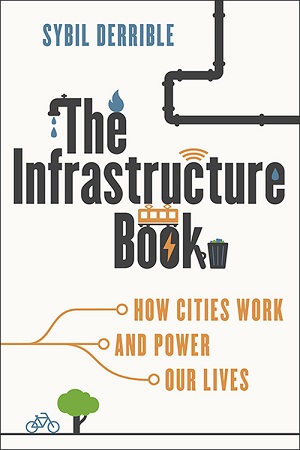
The goal of this book is to provide a general understanding of the engineering principles that govern the seven infrastructure systems that power modern society: water, wastewater, transport, electricity, gas, solid waste, and telecommunication. The focus is on the planning and operation of specific infrastructure, whether physical (e.g., water conduits) or an offered service (e.g., public transport). Along the way, the book identifies their biggest flaws and discusses how they can evolve to become more sustainable and resilient.
As the architecture, engineering, and construction industry undergoes significant transformation, innovation has become not just a buzzword but an increasingly critical factor. Being “innovative” can no longer be merely a talking point; it’s a necessity to succeed in the market.
This article by KP Reddy, Founder and CEO of Shadow Ventures affirms that every AEC firm has the potential to operate at a higher level if it first understands its current operating state, its competitive stance, and its ability to evolve. This begins with an understanding of where a firm currently sits in the technology landscape and assessing its innovation status and capabilities.
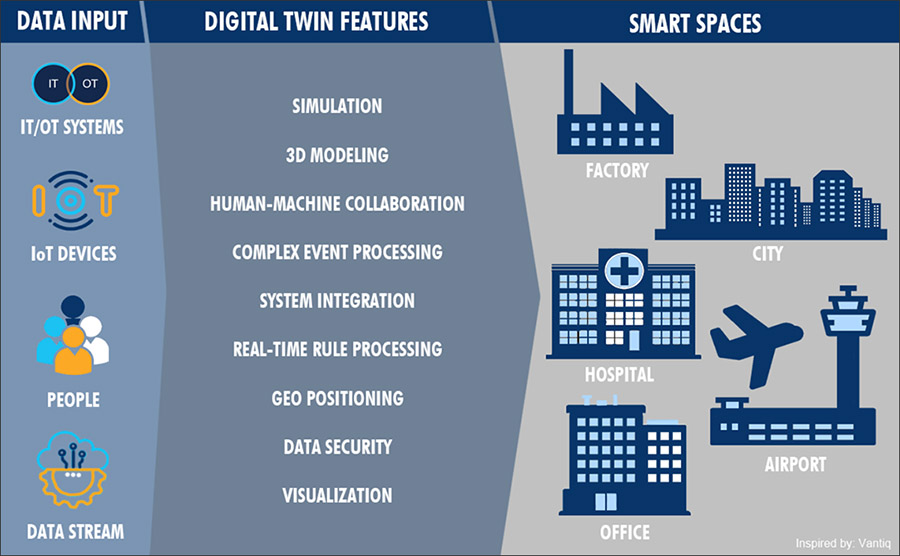
By enabling predictive maintenance, enhancing decision-making, and ensuring operational efficiency, digital twins are not just tools — they are processes that support sustainable, data-driven facility management. This article by Kristijan Vilibić explores how digital twins revolutionize asset management, their lifecycle applications, practical use cases, and the challenges and opportunities in their adoption.
The Olympic Games aren’t just a collection of the greatest athletes on earth. They are a building, construction, and infrastructure undertaking of massive scale and expense. Before the games begin, countries and cities embark on a multibillion-dollar endeavor to ensure that buildings are erected, transportation networks expanded, and public services scaled up to meet the demand of millions of visitors.
As Los Angeles prepares to host the Summer Olympics in 2028, it’s allocating $1.4 billion to 28 major transportation and infrastructure projects throughout Los Angeles County in a project dubbed “Twenty-Eight by ‘28.” How these projects – and others associated with readying the city to host the Olympics – are completed has enormous implications for a host city after the games conclude and the visitors have gone home. They will either make the city more sustainable or entrenched in outdated, inefficient buildings and systems, more affordable or financially unattainable, and more resilient or vulnerable.
This article by Tommy Linstroth, Founder and CEO of Green Badger, outlines the challenges the city will face as it develops infrastructure for the Olympics and identify critical aspects to optimize these investments for long-term benefits, including sustainability, reuse, flexibility, environmental best practices, and keeping people first.




 AECbytes Blog