With shrinking project timelines, growing regulatory complexity, and pressure to reduce embodied and operational carbon, the fragmented workflows created by using the current patchwork of siloed tools in AEC are a barrier to both efficiency and performance. This article by Nathan Kegel, Vice President of IES, shows how whole-building platforms address this fragmentation by providing an integrated environment where multiple performance tasks can be conducted from a single model.
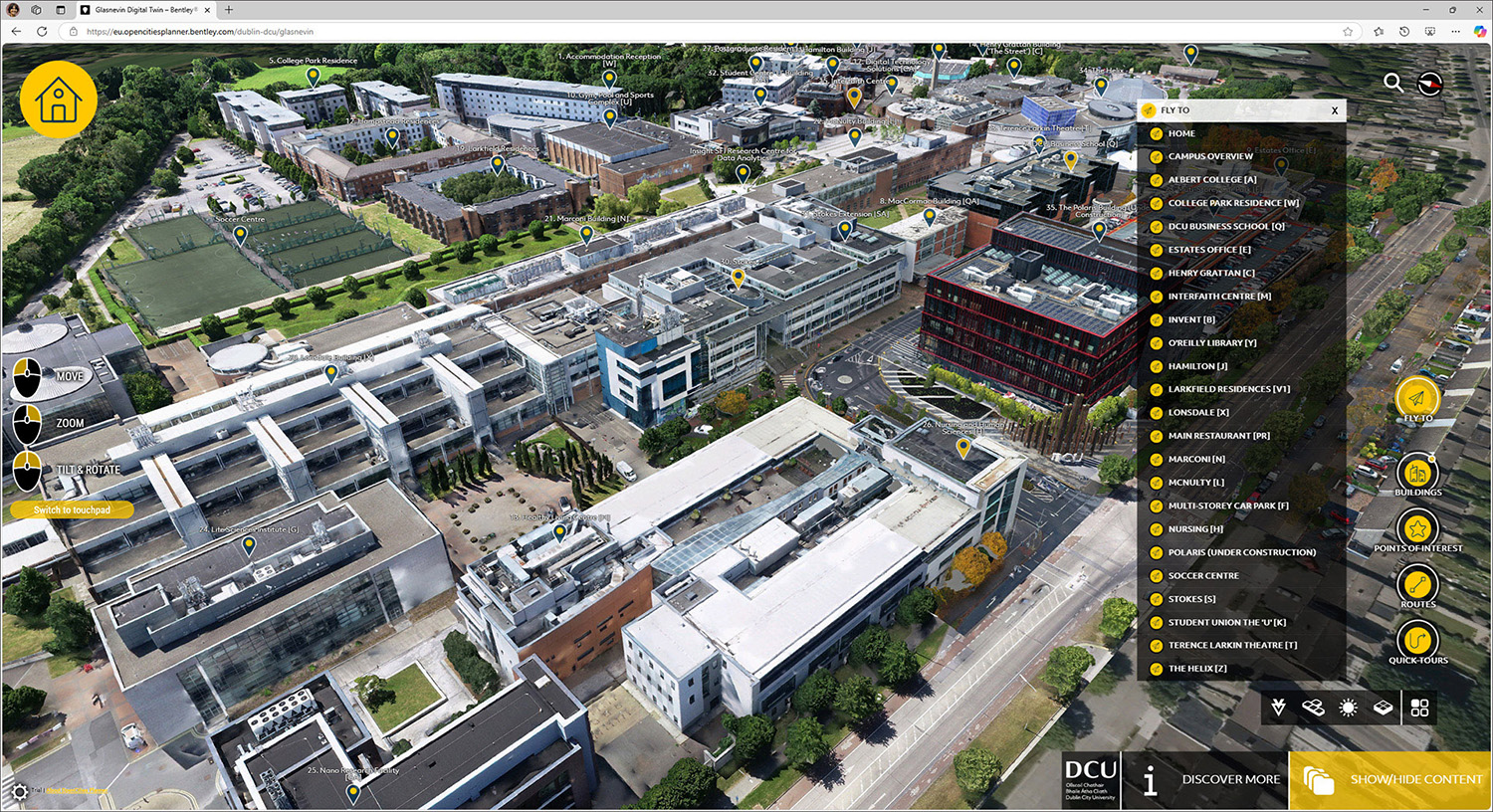
This article describes how the Dublin City Council, which governs the city of Dublin in Ireland, is leveraging digital twin technology to enhance city management and operational efficiency. It is based on a recent SmartCitiesWorld webinar in which Dr Mani Dhingra, Digital Twin Ecosystem Manager of Dublin City Council, provided an overview of Dublin’s digital twin work and presented the details of three pilot projects that have been implemented with Bentley’s digital twin technology.
Autodesk Revit 2026 officially lands today, and with it comes a blend of foundational upgrades and future-forward experiments. As a longtime author of this annual review for AECbytes, Dan Stine of Lake|Flato always looks forward to seeing how Autodesk pushes Revit forward—sometimes subtly, sometimes radically. The 2026 release brings a bit of both. From dramatic performance gains to enhanced modeling tools, Revit 2026 lays important groundwork for the platform’s future.
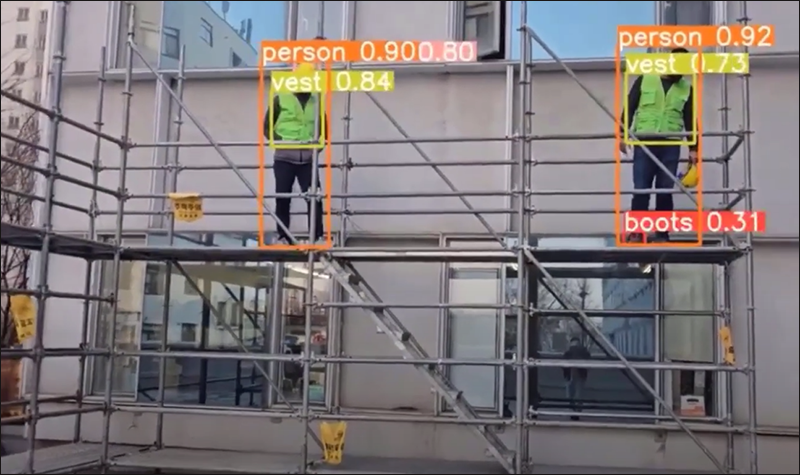
The construction industry, while vital, remains a high-risk occupation. Workers face dangers from heights, heavy machinery, dynamic site conditions, and hazardous materials. Falls, struck-by incidents, caught-in/between hazards, and electrocutions are leading causes of fatalities. Improving safety is both a moral imperative and crucial for project success. Traditional safety relies on manual inspections and training, but human observation has limitations due to fatigue, distractions, and the scale of modern construction sites. Computer vision (CV), a branch of Artificial Intelligence (AI), offers a proactive solution.
This article by Kristijan Vilibić, founder of the Mastery of Digital platform, delves into the mechanics of CV in construction, explores deployment strategies, presents a real-world case study, analyzes the benefits and challenges, and discusses future trends shaping the evolution of this crucial technology.
The AEC/O industry stands on the cusp of a transformative era, driven by the rapid evolution of Artificial Intelligence (AI). Beyond the familiar applications of smart assistants, the emergence of large foundation models is unlocking unprecedented capabilities. Imagine AI not just generating designs, but understanding complex project requirements, reasoning through intricate structural challenges, and even anticipating the emotional needs of building occupants.
This article by Julian Geiger, Vice President of AI Product and Transformation at the Nemetschek Group discusses how this revolution demands a thoughtful approach to ethical AI, ensuring that these powerful tools enhance, rather than replace, human expertise and creativity in architecture, engineering, construction, and operations.
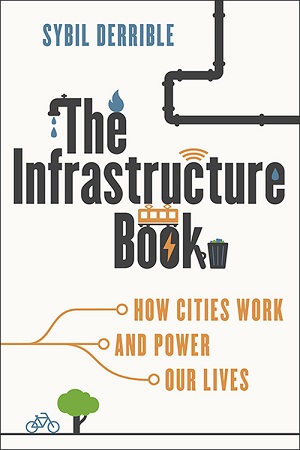
The goal of this book is to provide a general understanding of the engineering principles that govern the seven infrastructure systems that power modern society: water, wastewater, transport, electricity, gas, solid waste, and telecommunication. The focus is on the planning and operation of specific infrastructure, whether physical (e.g., water conduits) or an offered service (e.g., public transport). Along the way, the book identifies their biggest flaws and discusses how they can evolve to become more sustainable and resilient.
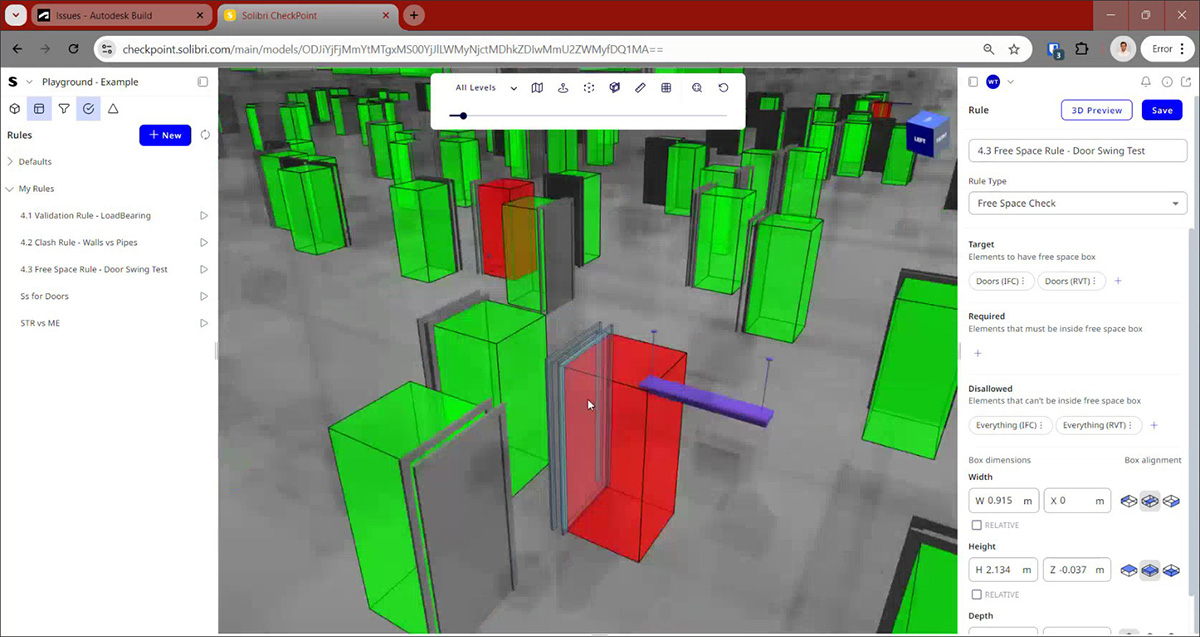
The Nemetschek brand, Solibri, developer of the leading and longest-standing model-checking application in the AEC industry, Solibri Model Checker (which was renamed “Solibri Office” in 2019), started the new year by expanding its product family with a new cloud-based model checking solution called Solibri CheckPoint. This new solution is based on Solibri’s acquisition of Xinaps and its Verifi3D product, and it enables model-checking of Revit and IFC models to be done much more easily and quickly using just a web browser. Additionally, Solibri CheckPoint integrates with platforms like Autodesk Construction Cloud (ACC), BIM 360, and Procore, allowing the project models hosted there to be pulled in automatically, checked, and reported on.
In addition to being much less expensive than BIM applications like Revit and ArchiCAD, having a familiar AutoCAD-like interface, and being built on open-source ODA and ITC libraries, IDEA Architecture also benefits enormously by being part of the extensive 4M multi-disciplinary BIM suite, greatly expanding its capabilities. It integrates with 4M’s FineGREEN application for sustainability and energy analysis, the FineMEP suite of applications for MEP engineering, the 4M-TEAS program for safety during design and construction, and 4M-ADWM application for lean construction. The new ability to directly read Revit files further strengths its case as a serious contender for architectural firms looking to transition to BIM.
As the architecture, engineering, and construction industry undergoes significant transformation, innovation has become not just a buzzword but an increasingly critical factor. Being “innovative” can no longer be merely a talking point; it’s a necessity to succeed in the market.
This article by KP Reddy, Founder and CEO of Shadow Ventures affirms that every AEC firm has the potential to operate at a higher level if it first understands its current operating state, its competitive stance, and its ability to evolve. This begins with an understanding of where a firm currently sits in the technology landscape and assessing its innovation status and capabilities.
ALLPLAN, one of the leading AEC technology brands used globally, launched the 2025 versions of its comprehensive suite of tools for building and infrastructure design, engineering, and construction at an online launch event a few weeks ago. In addition to its flagship BIM application, ALLPLAN’s portfolio includes the dedicated structural engineering applications, FRILO and SCIA, that merged with ALLPLAN earlier this year; SDS2, a dedicated solution for steel detailing; ALLPLAN Precast, a dedicated application for precast structures; ALLPLAN Civil, a new product that expands the capabilities of the earlier ALLPLAN Bridge application to include tools for designing roads, tunnels, dams, railways, retaining walls, and other structures; and ALLPLAN Cloud, which adds several new cloud services as well as expands the capabilities of its model-management and collaboration application, BIMPLUS.
The launch event covered a lot of ground, with extensive demos of the new features and enhancements of the products as well as discussions with the product teams on the strategic vision and thinking guiding the development. The event also featured several ALLPLAN users sharing their perspective and insights on the products they use and the new features.
The highlights of the launch event, including the key product updates and user insights that were shared, are captured in this article.






 AECbytes Blog