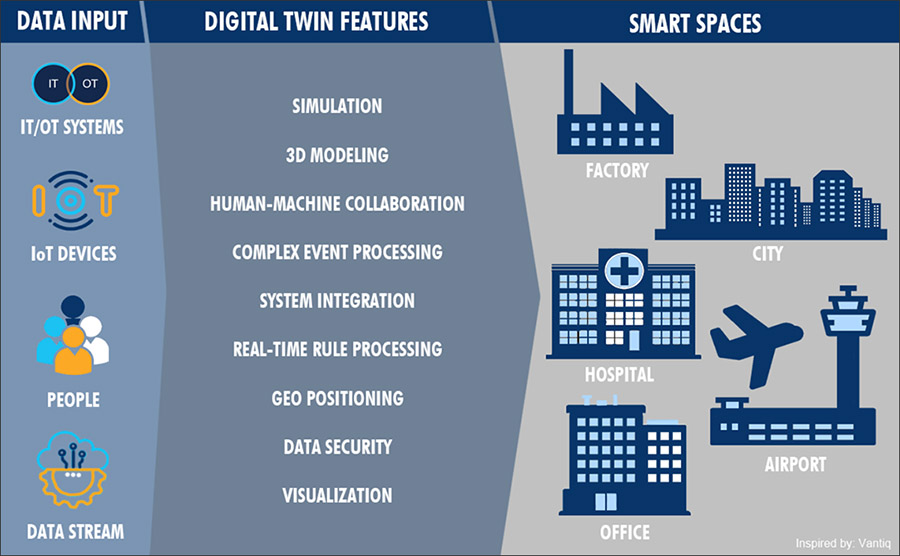
By enabling predictive maintenance, enhancing decision-making, and ensuring operational efficiency, digital twins are not just tools — they are processes that support sustainable, data-driven facility management. This article by Kristijan Vilibić explores how digital twins revolutionize asset management, their lifecycle applications, practical use cases, and the challenges and opportunities in their adoption.
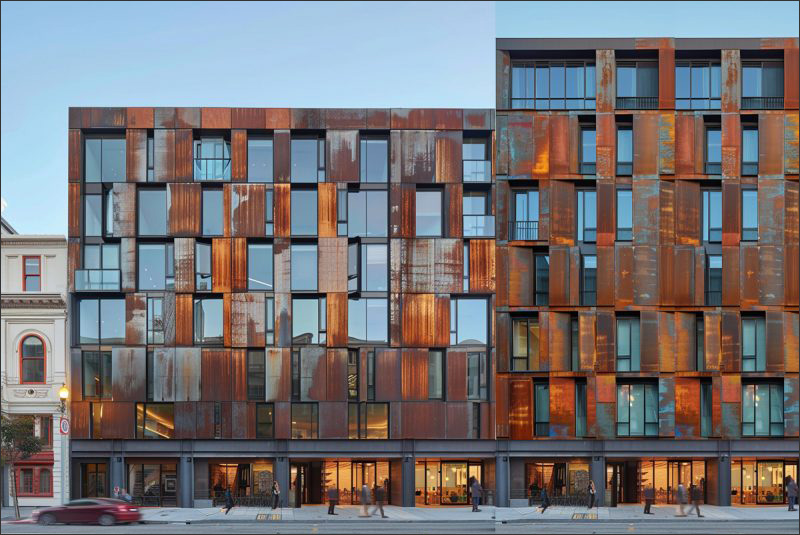
hb+a Architects, a hands-on, tech-savvy design studio focused on delivering high-quality design projects of varied project types in cities all over the Bay Area of California, with special emphasis on sustainability and efficiency, shares its perspective on AEC technology in this Firm Profile.
I think a lot of production tasks may get automated, not right away but that’s where the industry will move eventually. Artificial intelligence (AI) which is being used by some firms to generate ideas/concepts will play a more useful role (hopefully), integrated with production software. AI will identify loopholes in energy efficiency, embodied carbon impacts of material choices, etc. This will be a welcome advancement to collect accurate data and develop strategies to design and deliver buildings with a reduced impact on our planet.
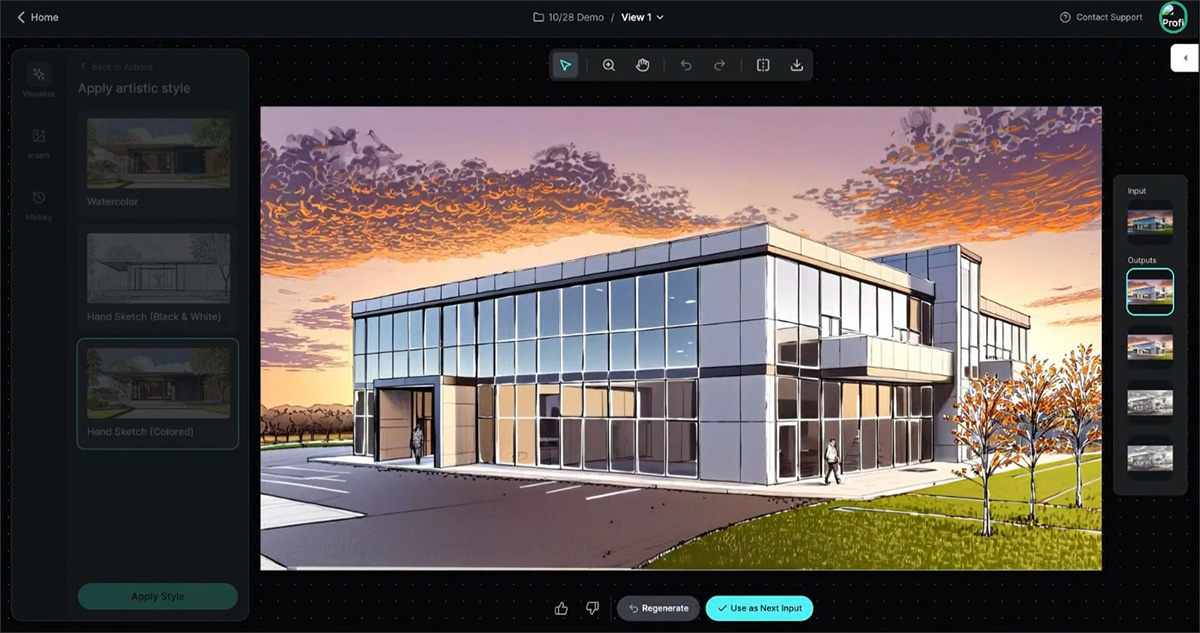
Given so much of the hype surrounding AI these days, it might be easy to dismiss the idea of an “AI assistant” for architectural design as one more example of a software tool that over-promises what it can actually deliver. However, it would be a mistake to do this for SketchPro, a brand-new AI application that lets you render and visualize a design in seconds starting from any sketch or 3D model. It goes far beyond what tools like Midjourney can do for architectural design, and even AI add-ins to BIM applications like Archicad’s new AI Visualizer that allows high-quality visuals to be quickly created from conceptual massing models in Archicad.
I was recently introduced to SketchPro AI and had the opportunity to explore it in depth. I came away extremely impressed and amazed at what AI technology, as envisioned by the SketchPro team, has the power to do.
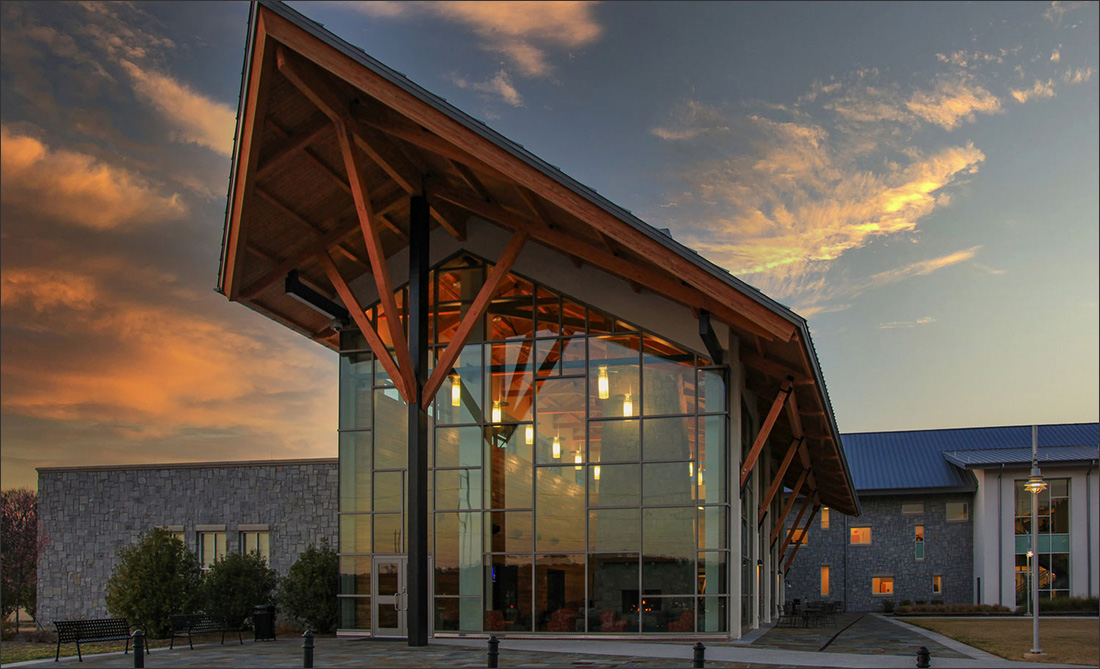
In the rapidly evolving world of construction, digital processes like Building Information Modeling (BIM) and Virtual Design and Construction (VDC) are transforming the industry. Georgia Highlands College (GHC), whose home campus is in Rome, Ga., is playing a key role in this shift with its Bachelor of Science in Building Information Modeling Management (BIMM), launched in the Fall of the 2022-23 academic year. The program has already exceeded enrollment projections and is quickly becoming a premier destination for students eager to enter this innovative field.
This article by Robert Gittens, owner of BIMSync’d and past Chair of GHC BIMM Board, describes the BIMM program in detail, including the curriculum, the dual degree with Georgia Tech, and the strategic partnerships with AEC firms and technology vendors that are contributing to its success.
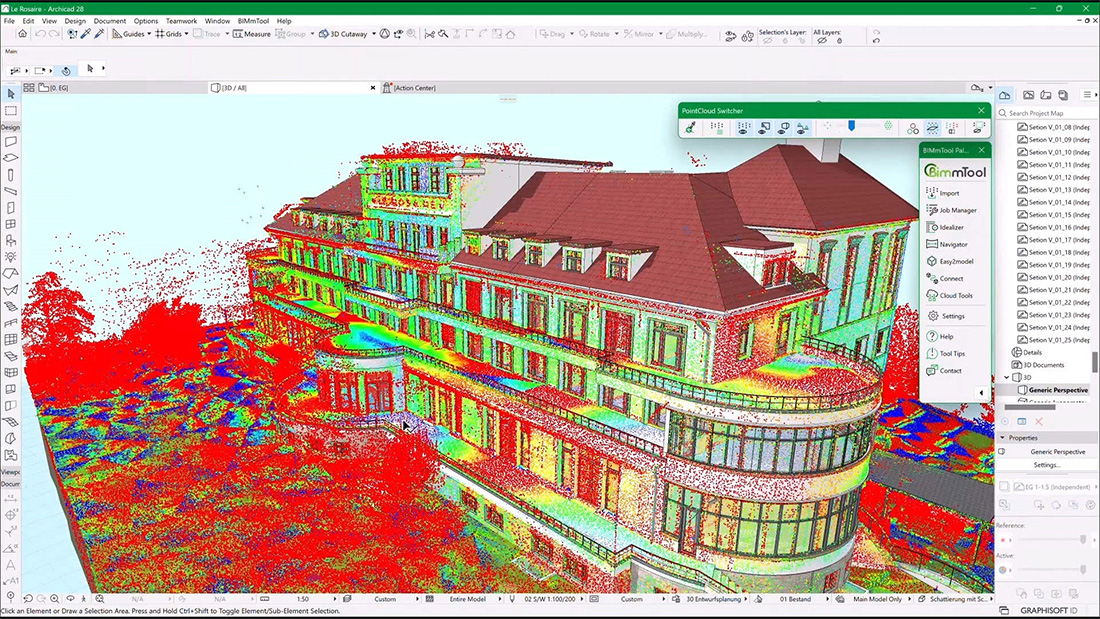
This article captures the main updates of Graphisoft’s 2024 product portfolio, including point cloud support and cloud-based AI visualization in Archicad, 3D model switching and support for Apple Vision Pro in BIMx, the availability of BIMcloud as a SaaS offering, and enhancements for photovoltaic and lighting design in DDScad.
The Olympic Games aren’t just a collection of the greatest athletes on earth. They are a building, construction, and infrastructure undertaking of massive scale and expense. Before the games begin, countries and cities embark on a multibillion-dollar endeavor to ensure that buildings are erected, transportation networks expanded, and public services scaled up to meet the demand of millions of visitors.
As Los Angeles prepares to host the Summer Olympics in 2028, it’s allocating $1.4 billion to 28 major transportation and infrastructure projects throughout Los Angeles County in a project dubbed “Twenty-Eight by ‘28.” How these projects – and others associated with readying the city to host the Olympics – are completed has enormous implications for a host city after the games conclude and the visitors have gone home. They will either make the city more sustainable or entrenched in outdated, inefficient buildings and systems, more affordable or financially unattainable, and more resilient or vulnerable.
This article by Tommy Linstroth, Founder and CEO of Green Badger, outlines the challenges the city will face as it develops infrastructure for the Olympics and identify critical aspects to optimize these investments for long-term benefits, including sustainability, reuse, flexibility, environmental best practices, and keeping people first.
The construction industry is often criticised for its environmental impact, contributing to nearly 40% of global energy-related carbon emissions. Given this significant footprint, the urgent need for sustainable practices in construction is clear.
Fortunately, with rapid technological advancements, AEC (Architecture, Engineering, and Construction) software is playing a transformative role in shaping a greener future in construction around the world. From optimising design processes to reducing carbon footprints, AEC software offers an array of tools that are revolutionising the global construction industry.
This article by Gordon Rodger, Managing Director of the construction consultancy firm, Stonehaven, delves into how AEC software is driving sustainable construction across the globe, highlighting the cutting-edge technologies and innovative practices paving the way for a more sustainable future in building.
Corgan, a leading architecture and design firm that is currently ranked as the fourth-largest architecture firm in the United States and one of the world’s largest by revenue and number of architects, with over 1000 professionals across 18 offices worldwide, shares its perspective on AEC technology in this Firm Profile.
At Corgan, we define computational design as “capturing the design process.” By breaking down pieces of a design or documentation task into its component parts and interrogating those parts, we are able to optimize each element. This supercharges the iterative capacity of our designers and also allows them to efficiently deliver the best solutions for our clients. Artificial intelligence is a similar story and has the potential to be the next wave of innovation for the AEC industry.
This Viewpoint article by Sharnette Tucker, program manager at HNTB and a leader in PWC’s Professional Development Advisory Council, discusses the many advantages and ways to incorporate AI and predictive data analytics in the construction industry. She also explores several innovations in AI robotics that have significantly improved the safety and efficiency of various construction processes, the use of AI in the transportation sector, and the potential impact of AI on jobs, across the board as well as specifically for women in construction.
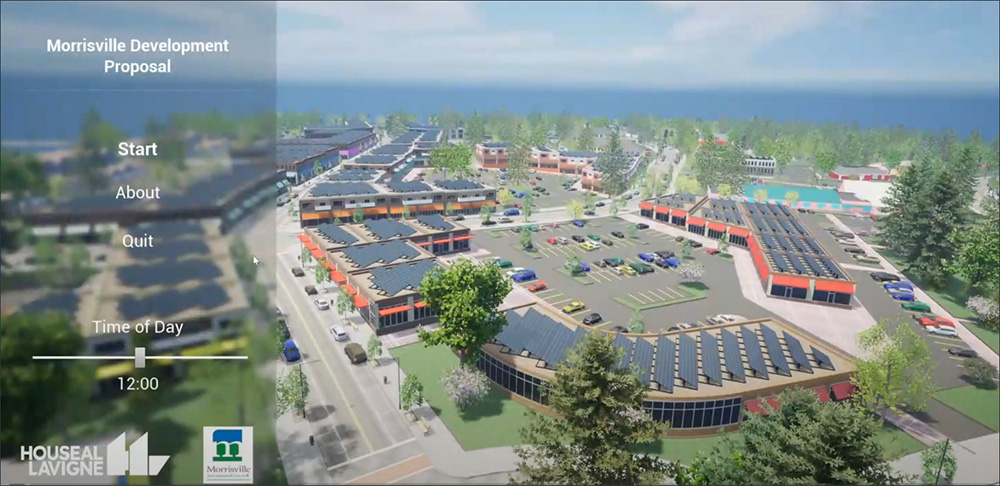
Houseal Lavigne is an urban planning and geospatial design firm that using cutting edge technologies including procedural and detailed 3D modeling, visualization and simulation, and publishing its designs as playable games that can be interactively explored. This article captures the details of its methodologies and toolset as well as several case studies highlighting its technology implementation, with projects range from several cities in the US to Dubai’s metaverse project, as well as a hypothetical city based on Ebenezer Howard’s famous “garden city” concept.




 AECbytes Blog