BIM Handbook, Third Edition

BIM-Handbook-thumbnail

It has been 10 years since the BIM Handbook was first published, when it emerged as the definitive guide to BIM for both practitioners in the industry as well as students and researchers in academia. Extensively researched and meticulously written by a team of leading researchers and experts in AEC technology, the third edition of the book has just been released. Coming seven years after the second edition, this review explores how the new edition of the book captures all of the many developments in the world of BIM that have emerged in the intervening years.

URL: http://www.aecbytes.com/review/2018/BIM-Handbook-3rd-Edition.html

AEC Technology Updates, 2018

fig12.jpg

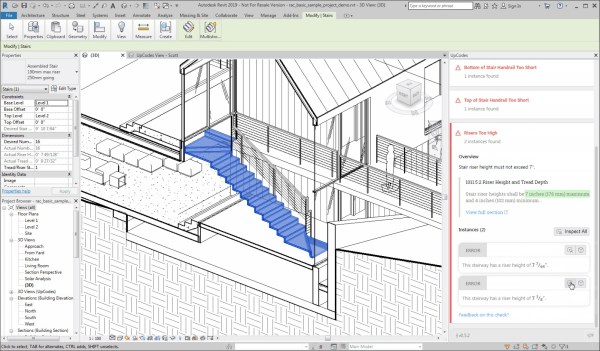
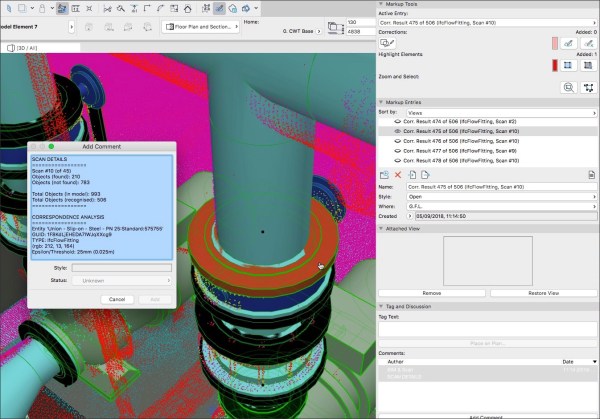
Innovation remains not just alive and well in the AEC technology industry but is continuing to grow at an increasing pace, as evidenced in this year’s collection of technology updates. We have new releases of several popular applications including Vectorworks, IDEA, dRofus, IESVE, SDS/2, and Twinmotion; new integrations such as IrisVR with Navisworks and Transoft with Vectorworks, which extend their capabilities and make them more powerful; and a host of new solutions in various fields including Overtur from Allegion, BSD Speclink Cloud, BIM & Scan AutoCorr, bim.aero, and BIMserver.center from CYPE Software. Collectively, they span a wide range of disciplines and processes in AEC including BIM, analysis, visualization, objects and specifications, data management, collaboration, laser scanning, and infrastructure design.

URL: http://www.aecbytes.com/newsletter/2018/issue_93.html
Modeling a Waffle Structure in Rhino and Grasshopper

fig1

Waffle structures are used in several design fields including architecture to construct complex, organic forms. In this Tips and Tricks article, Mark Loomis, Principal at MP Studio, who is keenly interested in 3D modeling, parametric modeling and generative design shows how to use a Grasshopper script to model a waffle structure, using its algorithmic design capabilities to automate the process and allow parameters such as the spacing and the width of the ribs of the structure to be adjusted just by moving a number slider.

URL: http://www.aecbytes.com/tipsandtricks/2018/issue84-rhino.html

Art, Technology, and Circumstance: The Development of New Brutalism

fig2

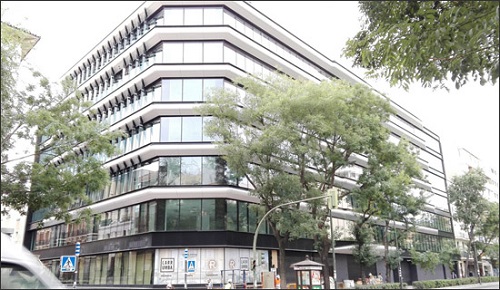
This article discusses the divisive architectural style of New Brutalism, which was developed in European cities in the 1950s and 60s, and asks whether or not our current planning capabilities would have, had they been available at that time, prevented its rise. Had governments and their architects had the capability to use 3D CAD (computer-aided design) or BIM (building information modeling), would they have invented a different, perhaps more indulgent sort of style for the postwar period? Or, was New Brutalism itself a creative choice rather than a utilitarian one, a conscious, definitive break with European architectural style and tradition of the past in the wake of a destructive European war?

URL: http://www.aecbytes.com/feature/2018/Technology-NewBrutalism.html

Fueling Corporate Growth at Mead & Hunt with VDI Cloud Workstations

In this Viewpoint article, Andy Knauf, Chief Information Officer of the architectural-engineering Mead & Hunt, describes how the use of a cloud-native virtual desktop infrastructure (VDI) solution helped his firm meet its aggressive growth target by allowing its architects, engineers, designers, as well as the technical teams that support them, to collaborate at cloud scale and speed, in real time, from anywhere in the world.

URL: http://www.aecbytes.com/viewpoint/2018/issue_88.html